Top Reasons Homes Fail Inspection Before Closing
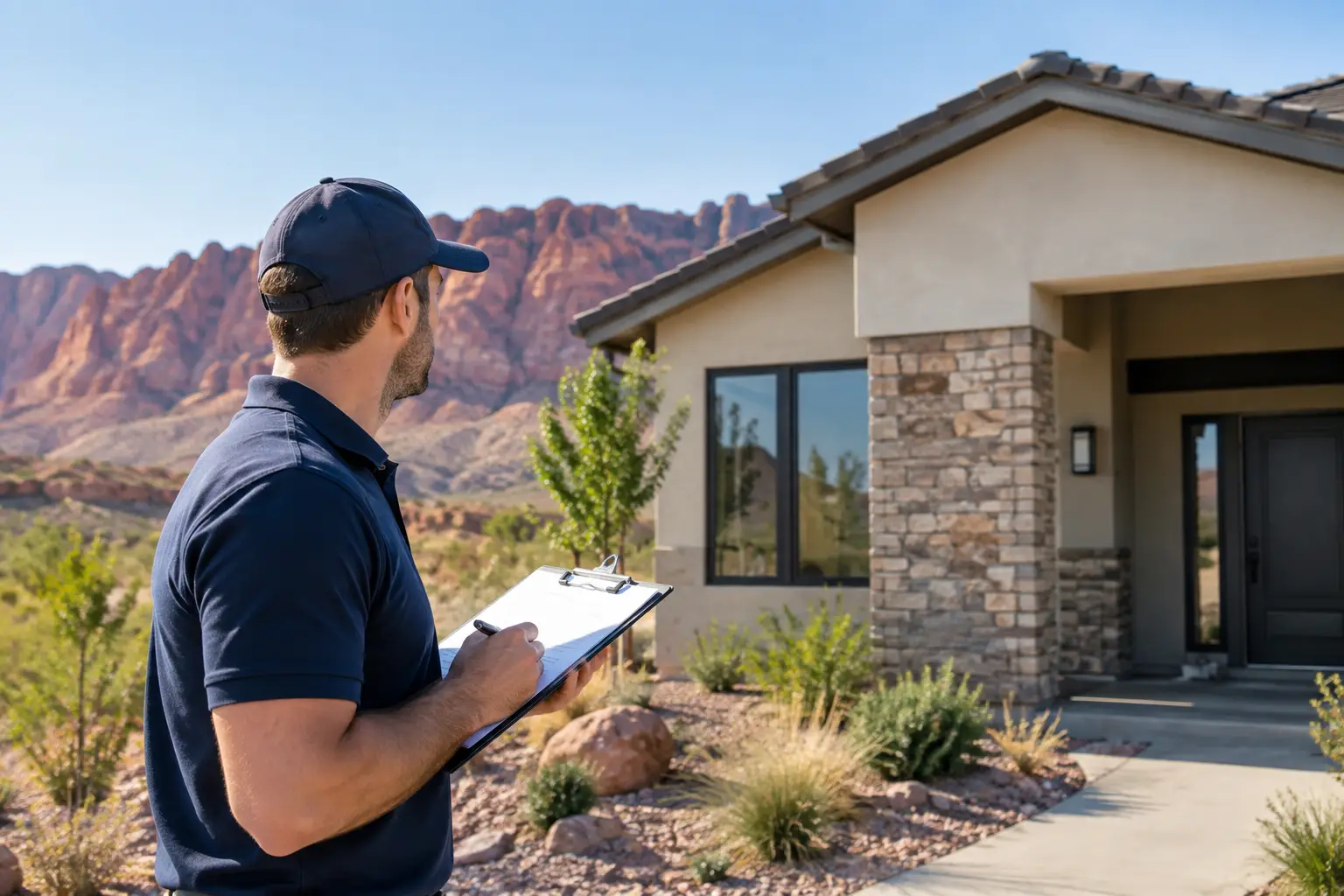
A beautiful home can check every box during a showing, then raise difficult questions once the inspection report arrives. The top reasons homes fail inspection are rarely about cosmetics. They usually involve safety, water, structure, or major systems that can affect a buyer’s budget long after move-in day.
One helpful clarification: a home inspection does not technically produce a pass or fail grade. An inspector documents visible concerns and recommends further evaluation when needed. Still, certain findings can be serious enough to disrupt negotiations, delay closing, or cause a buyer to walk away. Knowing what to expect helps sellers prepare wisely and helps buyers focus on what truly matters.
What Makes an Inspection Issue Deal-Defining?
Not every note in an inspection report deserves the same reaction. Nearly every home, including newer construction, will have a list of maintenance items, minor repairs, and suggested improvements. A loose outlet cover or worn weatherstripping is not in the same category as an active roof leak or an unsafe electrical panel.
The issues most likely to affect a transaction tend to fall into three areas: health and safety, expensive repairs, and conditions that could worsen quickly. The right response depends on the property’s age, price, condition, competing offers, and the buyer’s comfort level. It also depends on whether a concern can be resolved with a straightforward repair or requires a specialist to determine the full scope.
Top Reasons Homes Fail Inspection Negotiations
Roof damage and active leaks
A roof near the end of its useful life often becomes a major inspection conversation, especially when there are cracked tiles, damaged flashing, missing shingles, soft spots, or signs of water intrusion in the attic or ceiling. Southern Utah’s intense sun, wind, and seasonal storms can be hard on roofing materials, making routine maintenance especially valuable.
A roof does not always need replacement just because it is older. But active leaks, widespread deterioration, or evidence of improper installation can create legitimate concern. Buyers may request repairs, a credit, or further evaluation from a qualified roofing professional. Sellers should avoid guessing at the condition. Clear documentation from a roofer can bring far more confidence than a vague promise that the roof has never caused problems.
Electrical safety concerns
Electrical findings can feel intimidating because they often involve safety. Common red flags include outdated panels, double-tapped breakers, exposed wiring, ungrounded outlets, missing junction-box covers, improper DIY work, or a lack of required ground-fault protection near water sources.
Some corrections are relatively simple. Others require a licensed electrician and may reveal additional work once the panel or wiring is evaluated. For older homes, buyers should remember that an older electrical system is not automatically defective. The question is whether it is operating safely, supports the home’s current needs, and meets the expectations of the loan program, insurer, or buyer.
Plumbing leaks, drainage problems, and aging water heaters
Water is one of the most destructive forces in a home, which is why plumbing concerns deserve careful attention. Inspectors may find active leaks below sinks, corroded supply lines, slow drains, improperly installed water heaters, low water pressure, or signs of past moisture damage.
Drainage outside the home matters just as much. Water that slopes toward the foundation, missing gutters where they are needed, or poorly managed roof runoff can contribute to moisture problems over time. In some areas around Hurricane and the surrounding communities, buyers may also encounter properties with septic systems, private wells, irrigation shares, or other features that call for inspections beyond a standard home inspection.
A water heater nearing the end of its expected life is usually a budgeting item. A leaking water heater, a failed pressure relief setup, or evidence of ongoing plumbing damage is more urgent. The goal is not to make an older home look brand new. It is to understand whether water is being safely delivered, drained, and controlled.
Foundation movement and structural concerns
Hairline cracks in concrete can be normal, particularly in a desert climate where soil and temperatures change. Larger cracks, doors that no longer close properly, uneven floors, separation around windows, or signs of movement may point to a more significant concern.
Structural findings require perspective. An inspector may identify symptoms but typically will not diagnose the cause or design a repair. When the report recommends a structural engineer or foundation specialist, that next step is worth taking. It can confirm that the issue is minor, identify a repair plan, or prevent a buyer from taking on an unknown risk.
For sellers, trying to hide cracks with fresh patching or paint usually creates more concern than the original condition. Honest disclosure and credible professional guidance protect the transaction and build trust.
HVAC systems that cannot perform reliably
Air conditioning is not a luxury in Southern Utah. A system that cannot cool effectively during high summer temperatures can become a major expense and an immediate quality-of-life issue. Inspection reports may note an older unit, poor airflow, damaged ductwork, missing maintenance records, improper installation, or a system that does not respond as expected.
Age alone does not mean an HVAC unit must be replaced. Well-maintained equipment may have useful life left, while a newer system can still have installation or performance problems. If an inspector raises concerns, an HVAC technician can assess the system more thoroughly. Buyers should ask whether the recommended solution is a repair, deferred maintenance, or replacement, rather than assuming the most expensive outcome.
Moisture, mold-like growth, and poor ventilation
Visible staining, musty odors, condensation, or suspected microbial growth often make buyers nervous, and understandably so. Moisture is the underlying issue to solve. It can result from roof leaks, plumbing leaks, inadequate bathroom ventilation, poor drainage, or a problem within a wall or crawlspace.
Not every dark spot is mold, and a standard inspection is not a mold test. If the concern is significant, further evaluation may be appropriate. What matters most is identifying the moisture source and determining whether damage is active, historic, or unresolved. A clean-looking surface without a plan for the source of the water is not a real repair.
Unsafe or unpermitted additions and repairs
A converted garage, added bedroom, patio enclosure, finished basement space, or DIY remodel can add appeal, but it may also raise questions about permits, workmanship, electrical capacity, and square footage. Buyers should be cautious about assuming every finished space is legally permitted or included in the home’s official living area.
This does not mean every older improvement is a deal-breaker. Many homes have changes made by prior owners over the years. The key is to verify what is known, understand the potential cost of correction, and make sure the buyer’s lender and insurance provider are comfortable with the property as it stands.
How Buyers Can Respond Without Overreacting
An inspection report can be long because it is designed to be thorough. Buyers should take a breath, review it with their agent, and separate routine maintenance from material concerns. Focus first on safety hazards, active water intrusion, structural questions, and major systems that may require immediate investment.
Then consider the home in context. Is the property priced to reflect its age and condition? Are you comfortable taking on a repair after closing if the seller offers a credit? Would a specialist’s opinion change the decision? A thoughtful request is often more productive than asking a seller to repair every item on the report.
How Sellers Can Prepare Before the Inspector Arrives
Sellers can reduce last-minute stress by addressing obvious deferred maintenance before listing. Check for leaks, replace damaged caulking, service the HVAC system, make sure smoke and carbon monoxide alarms are installed where appropriate, and provide clear access to the attic, electrical panel, water heater, and crawlspace.
It also helps to gather invoices, warranties, permits, and service records. These documents cannot erase a defect, but they can reassure a buyer that the home has been cared for. Most importantly, be realistic. A pre-listing repair can be worthwhile when it prevents a bigger negotiation problem, but not every aging component needs to be replaced simply to sell.
The strongest inspection strategy is built on clarity, not fear. When you understand the condition of a home, have the right professionals involved, and negotiate around the issues that genuinely matter, an inspection becomes a tool for making a confident decision rather than a reason to lose momentum.