Southern Utah Home Inspection Guide for Buyers
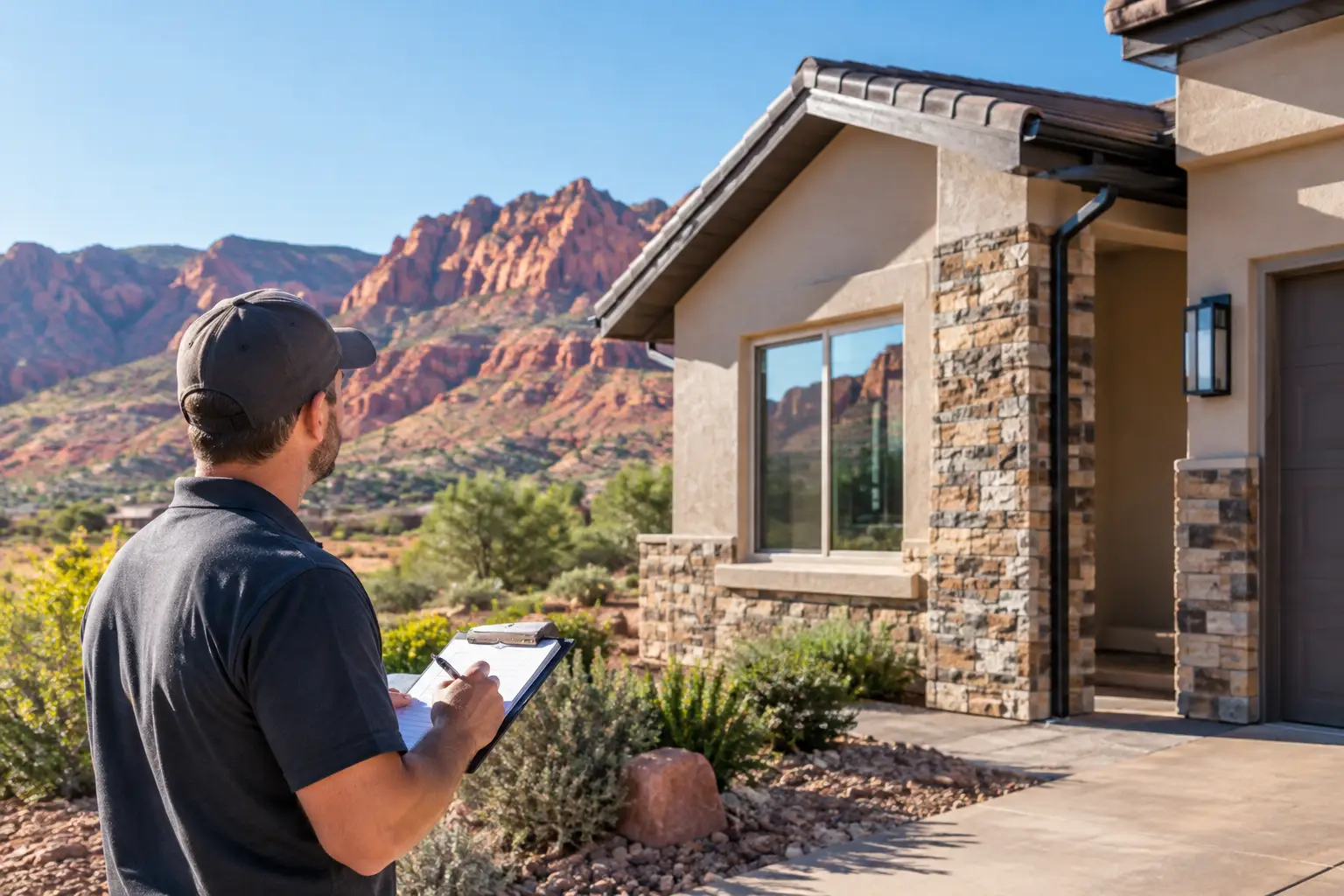
A beautiful view, a new-build finish, or a backyard made for red-rock sunsets can make it easy to fall in love with a Southern Utah home. A thoughtful inspection keeps that excitement grounded in the details that protect your investment. This Southern Utah home inspection guide explains what buyers should look for, how the process works, and how to respond when an inspector identifies concerns.
An inspection is not meant to make a home feel imperfect. Every property has maintenance needs. Its purpose is to give you a clearer picture of the home’s current condition before you move forward, negotiate repairs, or plan for ownership costs.
What a Home Inspection Actually Covers
A licensed home inspector provides a visual, noninvasive review of a property’s major accessible systems and components. That typically includes the roof, exterior, foundation, electrical panel, plumbing fixtures, water heater, heating and cooling systems, attic, interior rooms, doors, windows, and visible signs of moisture or damage.
The inspector is not there to predict the remaining life of every component or guarantee that nothing will fail after closing. They also do not usually move furniture, open walls, inspect inaccessible areas, or provide specialist opinions on every concern. Think of the report as a practical roadmap: it identifies visible issues, safety concerns, deferred maintenance, and areas that may need a closer look from a qualified professional.
For buyers, the value is perspective. A cracked tile may be a simple repair. Evidence of ongoing water intrusion, an aging HVAC system, or electrical safety concerns may affect your offer strategy, repair requests, budget, or decision to proceed.
Southern Utah Home Inspection Guide: Local Priorities
Southern Utah homes are built for an extraordinary climate, but sun, wind, heat, monsoon moisture, and dramatic temperature swings can put specific systems to the test. Whether you are considering a home in Hurricane, St. George, Washington, Springdale, or a surrounding community, local conditions deserve attention.
Roofs, Flashing, and Desert Sun Exposure
Roofing materials work hard here. Extended UV exposure can dry, fade, crack, or shorten the service life of shingles and other roofing components. An inspector will look for visible wear, damaged flashing, penetrations around vents, loose materials, and signs that water may have entered the attic or ceiling areas.
A roof does not have to be brand-new to be serviceable. What matters is its observable condition, whether repairs appear professionally completed, and whether the home shows signs of active leaking. If the report raises questions about age or remaining life, a roofing contractor can offer a more specific evaluation before your inspection deadline.
HVAC Performance and Cooling Capacity
Air conditioning is more than a comfort feature in Southern Utah. It is a major part of daily livability and a meaningful ownership expense. Inspectors typically test the system under appropriate conditions, note its visible condition, and identify obvious deficiencies. They may also document the age of the equipment.
If the unit is older but functioning, that does not automatically mean it needs immediate replacement. It does mean buyers should plan realistically. Ask for service records if available, and consider an HVAC technician’s assessment when the report notes concerns about performance, corrosion, ductwork, or equipment age.
Drainage, Grading, and Monsoon Water
The region’s dry landscape can make drainage concerns easy to overlook. Yet when heavy rain arrives, water needs a clear path away from the home. Improper grading, clogged gutters, short downspouts, or low areas near the foundation can contribute to moisture issues over time.
Look beyond the house itself. Notice where patios slope, whether landscape beds hold water against stucco, and how the driveway and neighboring lots direct runoff. In areas with flood risk or drainage channels nearby, buyers should also investigate insurance availability and property-specific flood considerations. An inspection is one part of that due diligence, not the whole picture.
Stucco, Exterior Finishes, and Windows
Stucco is common throughout Southern Utah and can be an attractive, durable finish when properly maintained. Inspectors often note cracks, staining, gaps around penetrations, and areas where exterior materials meet the ground or landscaping. Hairline cracking can be common, while larger cracks, repeated staining, or signs of moisture may deserve further review.
Windows and exterior doors matter, too. Heat, sunlight, and wind can affect seals, weatherstripping, caulking, and operation. Ask about windows that stick, show fogging between panes, or have visible deterioration around frames. These may range from manageable maintenance items to more substantial replacement costs.
Plumbing, Water Heaters, and Water Quality Questions
The inspection should include visible plumbing components, fixtures, drains, water pressure observations, and the water heater. In older homes, buyers may also want a sewer scope, especially if the property has mature trees, a longer private line, or a history that is unclear. A sewer scope is a separate service, but it can reveal issues that a standard visual inspection cannot see.
Water quality is another separate consideration. If a home relies on a private well or you have specific concerns about water quality, testing can provide useful information. Do not assume a standard home inspection includes it unless it is specifically ordered.
When to Add Specialized Inspections
Your inspection report may recommend further evaluation, and that recommendation should be taken seriously without jumping to worst-case conclusions. A specialist has the training and tools to determine the scope of a concern and estimate repair options.
Additional inspections may be worthwhile for a pool or spa, roof, HVAC system, sewer line, foundation or structural question, mold concern, fireplace, private well, septic system, or pest activity. Not every home needs every add-on. The right choice depends on the home’s age, features, condition, and what the initial inspection reveals.
For example, a newer home with a pool may benefit from a dedicated pool inspection because pumps, heaters, controls, plumbing, and safety features fall outside a general inspector’s full scope. A property with visible cracking may call for a structural professional only if the inspector sees indicators that go beyond routine cosmetic movement.
How to Read the Report Without Feeling Overwhelmed
Inspection reports can be lengthy because they document both concerns and normal observations. Photos make even small items feel more alarming on the page. Start by separating the findings into three practical categories: safety issues, major functional or water-related concerns, and routine maintenance.
Safety items may include exposed wiring, missing handrails, improper electrical connections, or gas-related concerns. Major issues can involve active leaks, significant roof deficiencies, nonfunctioning systems, or drainage problems that threaten the structure. Maintenance items may include worn caulk, minor drywall cracks, loose hardware, or a filter that needs replacement.
Your Realtor can help you keep the report in context and work with you on next steps. The goal is not to create a repair request for every imperfection. A stronger strategy focuses on material issues, safety, functionality, and repairs that could create significant expense shortly after closing.
Making Smart Repair Requests
Once you understand the findings, review your purchase agreement deadlines and decide what matters most. Depending on the situation, you may request repairs, ask for a credit toward closing costs, seek a price adjustment, request documentation for completed work, or accept the home as-is with a realistic plan for future maintenance.
There are trade-offs. A seller may be more willing to provide a credit than manage repairs before closing. A credit gives you more control over the contractor and timing, but it also means you need funds and a plan after closing. On the other hand, a repair completed before closing should be supported by receipts and, when appropriate, a reinspection.
For competitive homes or newer properties, buyers sometimes worry that asking questions will jeopardize the deal. Clear, reasonable requests based on documented conditions are part of a well-managed transaction. The key is prioritizing what truly affects the home’s safety, value, and use.
A Final Walk-Through Is Still Essential
The final walk-through is your opportunity to confirm the property is in the agreed-upon condition before closing. It is not a second full inspection, but it is the time to verify that requested repairs were completed, included appliances remain, and no new damage or unexpected changes have occurred.
Bring your inspection report and repair documentation. Turn on lights, test agreed-upon fixtures, check the HVAC if conditions allow, and look for any concerns that need to be addressed before you sign final documents.
A home inspection cannot remove every unknown from buying a home, but it can replace uncertainty with useful information. With the right local guidance, a clear inspection strategy, and room in your budget for normal homeownership care, you can move toward closing with confidence and keep your focus where it belongs: creating a life you love in Southern Utah.