Relocating to Hurricane Utah Guide for Buyers
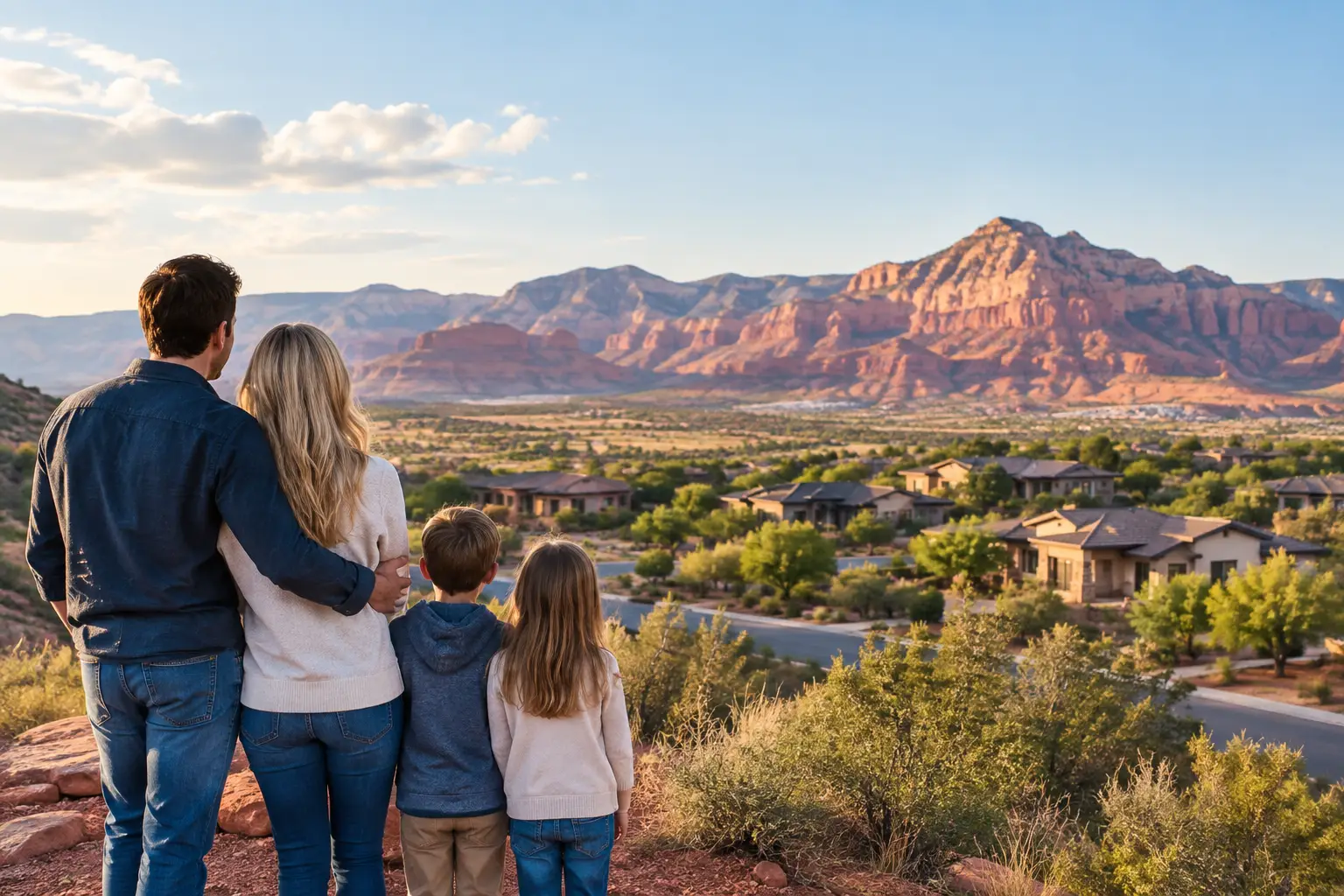
The first time many buyers drive into Hurricane, the contrast is what stays with them: red-rock views, open desert light, established neighborhoods, and a pace that feels more relaxed than a larger city. But a beautiful view is only one part of a successful move. This relocating to Hurricane Utah guide is designed to help you look beyond the postcard and decide whether the homes, neighborhoods, daily routines, and long-term opportunities fit the life you want to build.
Hurricane is a community where lifestyle and real estate are closely connected. The right choice may be a newer home near shopping and schools, a property with room for toys and projects, a quiet neighborhood with dramatic scenery, or a second home that makes Southern Utah adventures more accessible. Knowing what matters most before you shop will make every showing more productive.
Why Hurricane appeals to relocation buyers
Hurricane sits in Washington County, northeast of St. George, with convenient access to the broader Southern Utah region. Residents can enjoy local restaurants, services, parks, and community events while remaining within reach of larger-city amenities. For many households, that balance is the point: enough convenience for everyday life, with more breathing room than a denser urban setting.
The outdoor lifestyle is a major draw. Sand Hollow State Park, hiking and biking routes, golf, boating, off-road recreation, and day trips toward Zion National Park are part of the local rhythm. You do not need to be an extreme athlete to appreciate it. A morning walk against a red-rock backdrop or an easy weekend by the water can change how a place feels to call home.
Hurricane also attracts buyers who want a property that supports their lifestyle. Depending on the neighborhood and lot, that could mean space for an RV, a boat, a workshop, a pool, or simply an outdoor living area designed for sunny evenings. Availability, community rules, and lot layouts vary widely, so those priorities should be discussed early rather than treated as an afterthought.
Relocating to Hurricane, Utah: choose the right area
Hurricane is not one uniform housing market. A home’s location can affect drive times, views, lot size, utility costs, neighborhood feel, and resale appeal. Before narrowing your search, consider how you expect to spend a normal Tuesday, not just a perfect Saturday.
Established neighborhoods and in-town convenience
Homes closer to the center of Hurricane can be especially appealing for buyers who want nearby grocery stores, restaurants, schools, medical services, and local events. You may find a mix of established homes and newer infill options, often with mature landscaping and a sense of community history.
These areas can work well for full-time residents who value practical access over a resort-style setting. As with any established neighborhood, buyers should look closely at the age and condition of major systems, renovation history, drainage, and any differences between one street and the next.
Newer communities and planned living
Newer developments may offer modern floor plans, energy-conscious features, community amenities, and lower initial maintenance needs. For buyers moving from out of state, a newer home can feel like a simpler transition, especially when they prefer updated finishes and predictable layouts.
The trade-off is that new construction is not automatically the best value. Builder incentives, lot premiums, landscaping requirements, timelines, and future phases all deserve careful review. A home that seems attractively priced may need window coverings, appliances, a backyard, or other post-closing investments. Good guidance helps you compare the complete cost, not just the base price.
Larger lots, views, and recreation-friendly property
Some relocation buyers are looking for more land, panoramic scenery, or flexibility for equipment and recreational vehicles. These properties can be exceptional, but they require a more detailed review. Verify access, zoning, utility arrangements, road maintenance, flood considerations, and whether the property truly allows the uses you have in mind.
A view lot may also bring more exposure to wind, sun, or elevation changes. Those characteristics are not necessarily negatives, but they affect landscaping, outdoor comfort, and how a home performs in different seasons.
Understand the climate before you commit
Southern Utah sunshine is a meaningful part of Hurricane’s appeal, yet summer heat deserves honest consideration. Buyers relocating from cooler or more humid regions should plan for hot afternoons and learn how a home is equipped to handle them. Shade orientation, window placement, insulation, HVAC age, ceiling fans, pool maintenance, and landscaping choices can make a noticeable difference in comfort and monthly expenses.
Visit at different times of day if possible. A patio that looks perfect at 10 a.m. may feel very different late in the afternoon. Ask how the current owners use the outdoor spaces, where water pools during heavy rain, and whether there are seasonal wind patterns on the property.
The region also experiences monsoon-season storms and occasional flash-flood conditions. Flood-zone status, drainage features, insurance questions, and elevation around the home should be evaluated during due diligence. This is not a reason to avoid Hurricane. It is a reason to buy with clear information.
Build a realistic housing budget
Your purchase price is only one piece of the relocation picture. Property taxes, homeowners insurance, utilities, HOA dues where applicable, maintenance, moving costs, and furnishings can all shape the budget. Buyers coming from higher-cost markets sometimes focus on the price difference and overlook how quickly upgrades or a larger lot can add to ongoing expenses.
If you are financing, connect with a lender early and obtain a preapproval that reflects your full financial picture. This gives you a clearer price range and allows you to act decisively when the right property appears. It also creates time to compare loan options, including choices that may suit a primary residence, vacation home, or investment property differently.
For cash buyers, proof of funds and a thoughtful offer strategy are equally important. A strong offer is not always simply the highest number. Closing timing, contingencies, inspection expectations, and seller priorities can influence the outcome.
Think through daily life, not just the home
A relocation is successful when the house and the routine both work. Consider commute patterns, school preferences, medical needs, grocery access, airport travel, and how often you expect to visit St. George, Washington, Springdale, or nearby recreation areas. Drive those routes during realistic times if you can.
Families may want to review school boundaries and available programs directly with the appropriate district or school. Remote workers should verify internet options at the exact address rather than assuming service is identical throughout the area. Retirees may prioritize single-level living, proximity to healthcare, and manageable outdoor maintenance. Investors may focus more closely on rental rules, seasonality, carrying costs, and demand drivers.
There is no universal “best” Hurricane neighborhood because the answer depends on your intended use. A lock-and-leave second home, an active family home, and a property for an RV enthusiast can have very different requirements.
Protect your interests during the purchase
Out-of-area buyers are often tempted to make decisions quickly after a short scouting trip. A focused plan is better than rushing. Start with a clear list of non-negotiables, preferences, and items you are willing to trade. Then use in-person or virtual tours to compare properties against that list consistently.
Once you are under contract, the due-diligence period is where details matter. Inspections may reveal items common to desert properties, such as roof wear from sun exposure, HVAC performance, irrigation needs, or landscaping maintenance. Review seller disclosures carefully, understand HOA documents if applicable, and ask direct questions whenever something is unclear.
A local Realtor should do more than open doors. You deserve someone who can help you evaluate neighborhood differences, recognize pricing patterns, coordinate inspections, negotiate thoughtfully, and keep the transaction organized from contract to closing. That support is especially valuable when you are managing a move from another state.
Give yourself permission to arrive gradually
You do not have to know every trail, restaurant, neighborhood shortcut, or community event before you move. The best part of relocating to Hurricane is often the process of making the area your own: finding a favorite coffee stop, learning which route offers the best sunset, meeting neighbors, and turning a house into a place where memories begin.
If Hurricane feels like the right next chapter, take the time to buy with confidence. Amy Hansen can provide the local perspective and personal advocacy to help you move forward with clarity, from your first neighborhood conversation through the day you receive the keys.