
How to Prepare for a Home Showing That Sells
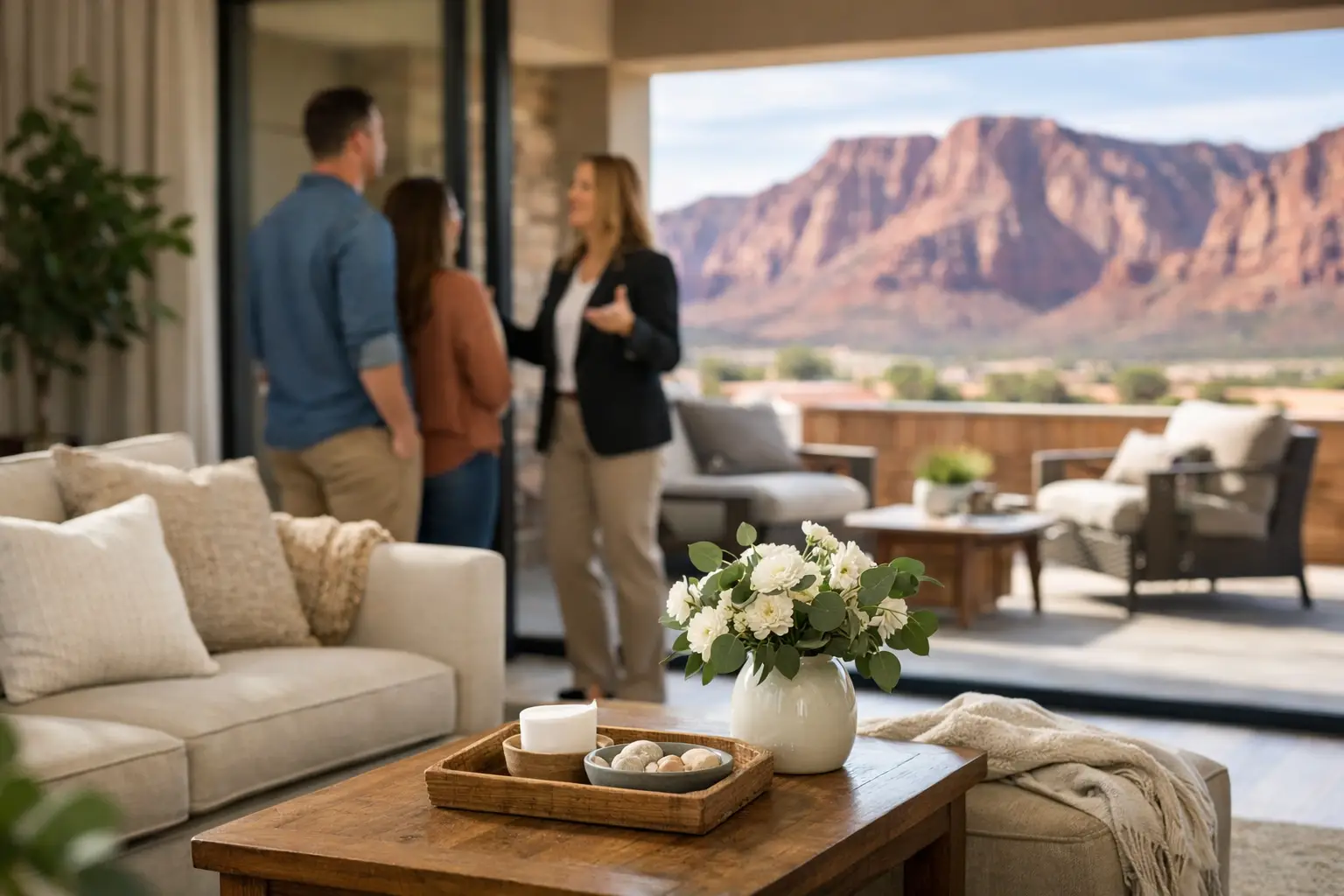
A buyer often decides how a home feels within the first few moments at the front door. They notice the light, the temperature, the scent, and whether they can picture their own routine there. Knowing how to prepare for a home showing is not about making your home look staged beyond recognition. It is about creating a welcoming, well-cared-for setting that lets buyers focus on its best features.
In Southern Utah, that first impression can start at the curb. Buyers may be drawn to a Hurricane home’s mountain views, an inviting outdoor living area, or the convenience of a clean, low-maintenance yard. Inside, they are looking for a home that feels easy to live in. Thoughtful preparation helps them see the lifestyle your property offers, rather than the work they think they will need to do.
Begin With the Buyer’s First Impression
Before every showing, walk up to your own front door as if you were seeing the home for the first time. Is the entry clear? Is the porch swept? Does the front door look clean and welcoming? Small details send a strong message about how the home has been maintained.
Remove extra vehicles from the driveway when possible so buyers can easily park and get a clear view of the exterior. Put away trash bins, hoses, toys, and yard tools. If you have a front patio or sitting area, straighten the furniture and add a simple touch such as fresh cushions or a healthy potted plant.
Curb appeal does not require an expensive overhaul before every appointment. The goal is neatness and intention. In our desert climate, that may mean clearing windblown debris, refreshing gravel, trimming back overgrown plants, and making sure the landscape looks cared for. If the view is a selling point, make sure nothing distracts from it.
How to Prepare for a Home Showing Room by Room
A clean home matters, but buyers also respond to space, light, and flow. They need to be able to move comfortably through each room and imagine where their furniture, belongings, and daily life might fit.
Start with a clean, uncluttered foundation
Prioritize the areas buyers notice most: kitchens, bathrooms, the primary bedroom, living spaces, and the entry. Wipe counters, mirrors, sinks, appliance fronts, and light switches. Vacuum or sweep floors, empty trash cans, and make sure towels are fresh and neatly hung.
Then reduce visual clutter. Clear kitchen counters except for a few purposeful items, such as a coffee maker or a bowl of fresh fruit. Put away refrigerator magnets, piles of mail, charging cords, pet supplies, and personal care products. This is not about erasing all personality. A few books, a beautiful piece of art, or a well-styled shelf can make a home feel warm. The difference is whether the room feels edited rather than full.
Storage is part of the showing. Buyers commonly open closets, pantry doors, and cabinets to understand capacity. Take a little time to organize those spaces, too. A closet does not need to be empty, but it should look functional and spacious enough for everyday life.
Let natural light and views do the work
Southern Utah buyers often value sunshine, open skies, red rock scenery, and indoor-outdoor living. Open curtains and blinds before the showing, especially where windows frame a view. Clean glass makes more of a difference than many sellers expect.
Turn on lamps and overhead lighting in darker rooms, hallways, and closets. Replace burnt-out bulbs and aim for consistent, warm-white lighting throughout the home. Bright does not mean harsh. You want the house to feel comfortable at midday and inviting if a buyer tours later in the afternoon.
If a room has an exceptional feature – a fireplace, built-in storage, a window seat, or access to the patio – make it easy to notice. Rearrange furniture if necessary so walkways are open and focal points are visible.
Make the kitchen and bathrooms feel move-in ready
These rooms can strongly influence a buyer’s overall perception of care. In the kitchen, clear the sink, wipe down the range, and remove small appliances that crowd the counters. Fresh hand towels and a clean dish towel are simple finishing touches.
In bathrooms, close toilet lids, clear vanity tops, and replace worn shower curtains or bath mats if needed. A small, neutral soap dispenser and neatly folded towels are enough. Avoid heavily scented sprays or candles. A fresh, neutral-smelling home is more reassuring than one that seems to be covering something up.
Create Comfort Without Overdoing It
The best showings feel relaxed, not manufactured. Set the thermostat to a comfortable temperature, particularly during Southern Utah’s hot summers or cooler desert evenings. Buyers should be able to take their time without feeling rushed by an overly warm or cold home.
Open interior doors to improve flow, but close doors to rooms that are not ready to be viewed. If possible, make beds and straighten throw blankets and pillows. Keep décor simple and consistent. You do not need to buy new furniture or redesign the house. A few thoughtful adjustments can help buyers see the scale and purpose of each room.
Personal items deserve special attention. Family photos, collections, and children’s artwork make a house a home, but too many can make it harder for buyers to imagine themselves there. Pack away the most personal or highly visible items before showings begin. Secure medications, valuables, sensitive paperwork, and spare keys as well.
Do Not Forget Pets and Everyday Logistics
Pets are part of the family, but they can create distractions during a showing. Arrange for dogs to be off-site when possible, or take them with you during the appointment. Clean litter boxes, pet beds, and feeding areas, and check for fur on furniture and floors. Some buyers have allergies or may feel uncomfortable around unfamiliar animals, so a pet-free showing is usually the strongest choice.
It is also best for sellers to leave the home during showings. Buyers tend to stay longer and speak more openly when they have privacy. Your agent can answer questions, point out important features, and gather feedback without anyone feeling awkward.
Before you head out, use a quick final pass:
- Turn on lights, open window coverings, and set the temperature comfortably.
- Check counters, sinks, and floors for last-minute clutter or spills.
- Empty trash, hide pet items, and remove food with strong odors.
- Make sure beds are made, toilet lids are closed, and towels are straight.
- Lock up valuables, medications, mail, and personal documents.
Keep a small basket or tote ready for the items that accumulate during daily life. When a showing request comes in, you can quickly gather chargers, paperwork, snacks, and pet supplies instead of scrambling to find a place for each one.
Prepare for Short-Notice Showings
The most successful showing strategy starts before the calendar fills up. Once your home is listed, aim to keep it close to showing-ready. That does not mean living in a perfect house every day. It means establishing a simple routine that makes last-minute appointments manageable.
Make the bed each morning, run the dishwasher overnight, wipe the kitchen counters after meals, and keep laundry contained. Ask each family member to use one designated basket or bin for belongings that need to be picked up quickly. If you work from home, create a daily reset for your desk so it can be put away in minutes.
There will be times when a same-day request is inconvenient. Life still happens. However, being as flexible as you reasonably can may give your home more opportunities to connect with serious buyers. A buyer who is in town for only one day, or who is comparing several homes in a tight window, may not be able to return later.
Let Your Home’s Lifestyle Stand Out
A showing should help buyers understand more than the number of bedrooms and square footage. If your home has a shaded patio, outdoor kitchen, pool, RV parking, workshop, or easy access to recreation, prepare those spaces with the same care as the interior. Sweep the patio, uncover attractive outdoor furniture, and make storage areas accessible.
At the same time, be honest about what the home offers. Staging can highlight strengths, but it should not conceal condition issues or create unrealistic expectations. If a repair is needed, discuss the best approach with your real estate professional. Sometimes addressing a visible concern before listing makes sense; other times, pricing and disclosure are the more practical path. The right choice depends on the home’s condition, your timeline, and the local market.
A well-prepared home gives buyers room to feel something meaningful: that this could be the place for quiet mornings, family gatherings, weekend adventures, or a new chapter in Southern Utah. That feeling starts with a clean entry, a bright room, and the confidence that the home has been cared for. Give each buyer the space to imagine that life, and let your home do what it does best.