
How to Prepare for a Home Inspection Before Selling
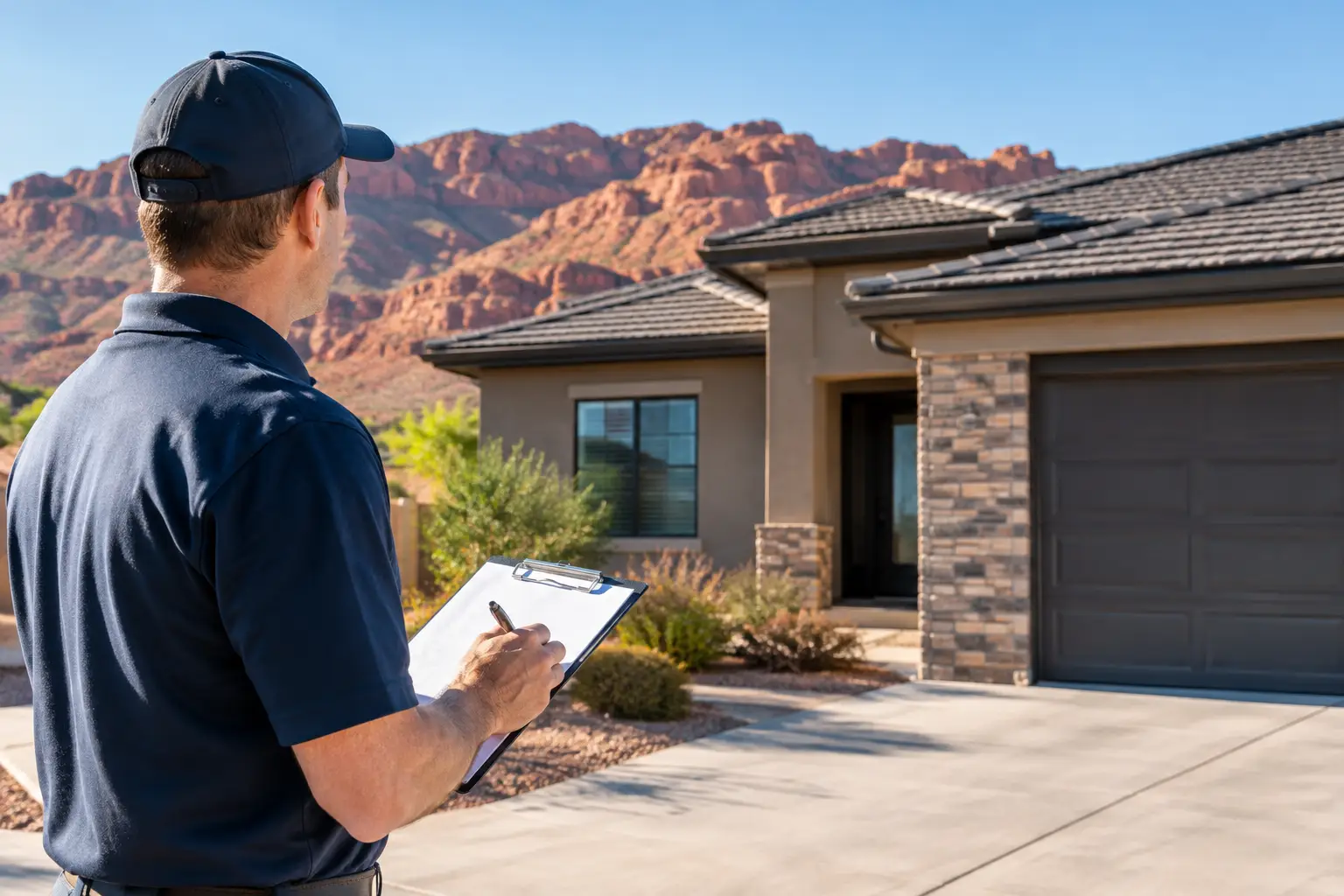
A home inspection is not a pass-or-fail test, but it can absolutely influence a buyer’s confidence, repair requests, and the pace of your sale. Knowing how to prepare for a home inspection gives you the opportunity to present your property honestly, reduce avoidable concerns, and keep the transaction moving forward with fewer surprises.
For sellers, the goal is not to make an older home look brand new or to hide its imperfections. It is to show that the home has been cared for, its systems are accessible, and any known issues have been handled thoughtfully. That kind of preparation sends a powerful message to buyers: this is a home they can feel good about.
Start With the Right Expectation
A professional inspector works for the buyer and will evaluate visible, accessible areas of the property. They are looking at the roof, exterior, structure, plumbing, electrical, HVAC, appliances, attic, crawlspace, and more. Their report will usually include a mix of major safety concerns, maintenance recommendations, and normal age-related observations.
Even a beautifully maintained property can generate a lengthy report. That is common. The important question is whether the inspection reveals material issues that affect safety, function, or the buyer’s ability to move forward comfortably.
Trying to eliminate every small notation can become expensive and unnecessary. Instead, focus your preparation on repairs that are clear, practical, and likely to matter during an inspection.
Handle Obvious Maintenance Before Inspection Day
Walk through your home as if you were seeing it for the first time. Look for small signs of deferred maintenance that can create bigger questions in an inspector’s report. A loose handrail, a dripping faucet, missing outlet cover, cracked windowpane, or damaged weatherstripping may be a simple fix, but leaving it untouched can suggest that other maintenance has also been overlooked.
Pay close attention to safety items. Test smoke and carbon monoxide detectors, replace dead batteries, and make sure they are properly installed where required. Confirm that stairs have secure railings, electrical panels have covers, and exterior walkways are reasonably clear and safe.
If a light fixture, ceiling fan, appliance, garage door, or irrigation controller is not working as intended, address it before the inspection when possible. An inspector generally reports what they observe. If something is inoperable that day, it may be documented as a concern even if the fix is minor.
Focus on water, roofs, and drainage
Water is one of the biggest sources of concern in any property inspection. Check under sinks, around toilets, near the water heater, and around appliances for leaks, moisture, corrosion, or staining. Repair active drips and make sure plumbing fixtures drain normally.
Outside, clean gutters if your home has them, make sure downspouts direct water away from the foundation, and remove debris from roof valleys or drainage paths where it is safe to do so. In Southern Utah, intense sun, seasonal storms, wind, and desert soil conditions can make exterior maintenance especially important. Cracked caulking, deteriorated fascia, damaged roof tiles, or poor drainage should not be ignored simply because the weather is dry most of the year.
You do not need to replace an aging roof just because it is not new. But if you know there is a current leak, missing material, or damaged flashing, it is wise to have a qualified professional evaluate it before the buyer’s inspection.
Service major systems if they are due
A recent HVAC service can be reassuring, particularly when summer heat makes reliable cooling a priority. Replace the air filter, clear leaves or debris from around the outdoor unit, and make sure the system can be operated normally. If you have service records, keep them available.
The same principle applies to water heaters, pool equipment, solar systems, fireplaces, and irrigation systems. You do not have to provide a perfect maintenance history, but documentation of recent service or repairs helps answer questions with facts rather than guesswork.
If an older system is functioning well, be honest about its age. Buyers may still request a credit or warranty coverage, but a well-maintained older system is often easier to discuss than a neglected one with no records.
Make Every Important Area Easy to Access
One of the simplest ways to prepare for a home inspection is to make the inspector’s job easier. Inspectors cannot fully evaluate areas they cannot safely reach, and limited access often leads to a report notation that creates uncertainty for buyers.
Clear a path to the electrical panel, water heater, HVAC equipment, attic access, crawlspace entrance, and garage. Move boxes, shelving, furniture, stored belongings, and vehicles if they block those areas. If the attic access is in a closet, remove clothing or storage directly beneath it. If utilities are behind a locked gate or in a shed, leave them accessible.
Also make sure all exterior gates are unlocked, including side yards and pool areas. If you have pets, arrange for them to be safely away from the property or secured where they will not interfere with the inspection. A calm, accessible home makes the appointment more efficient and reduces the chance that a key component goes unevaluated.
Keep Utilities Connected and Systems On
Do not turn off utilities before the inspection, even if the home is vacant. The inspector needs electricity, water, and gas, when applicable, to evaluate major systems and appliances. They may run faucets, test outlets, operate the dishwasher, check heating and cooling, and inspect the garage door.
If the home has a pilot light, a specialty appliance, a smart thermostat, or a pool system that requires instructions, make sure it is ready for normal operation. If a system cannot be tested because utilities are disconnected or access is unavailable, the buyer may need additional inspections later. That can cost time and create more uncertainty than necessary.
Prepare Documents Without Trying to Argue the Report
Gather relevant receipts, warranties, permits, repair invoices, and service records in one easy-to-find place. This may include roof work, HVAC maintenance, plumbing repairs, pest treatment, solar installation, pool service, or remodel documentation.
These records are especially helpful when an inspector identifies something that appears older or raises a question about prior repairs. A receipt will not erase an inspection finding, but it can show when work was completed, who performed it, and whether a transferable warranty may exist.
It is usually best for sellers to leave the property during the inspection unless their agent recommends otherwise. Buyers often want space to ask questions, and inspectors need room to work. Your real estate professional can help communicate any important details in the appropriate way without turning the inspection into a debate.
Be Honest About Known Issues
The fastest way for a manageable concern to become a trust issue is to conceal it. If you know about a past leak, repair, boundary question, appliance issue, or other material condition, follow your state’s disclosure requirements and speak with your Realtor about the right way to communicate it.
A buyer may be comfortable with a repaired issue when there is clear documentation and honest disclosure. They are far less comfortable discovering evidence of a problem during an inspection that was never mentioned.
This is also where judgment matters. Not every cosmetic flaw needs a repair, and not every aging component deserves a preemptive replacement. A local Realtor can help you distinguish between improvements that strengthen your position and expenses that are unlikely to change the outcome of the sale.
What to Do When the Report Arrives
After the inspection, resist the urge to react to every line item immediately. Read the report carefully with your agent and separate safety concerns, functional defects, deferred maintenance, and routine observations. Buyers may request repairs, ask for a credit, seek additional specialist evaluations, or decide they are comfortable proceeding as-is.
The best response depends on the property, price point, market conditions, and the seriousness of the finding. Repairing an active leak or electrical safety issue may be the clearest path forward. For a near-end-of-life but functioning appliance, a negotiated credit may make more sense. In a competitive market, buyers may be more flexible; in a slower market, a thoughtful response can protect your momentum.
A well-prepared home does not need to be flawless. It needs to feel cared for, accessible, and honestly represented. When you prepare with that standard in mind, you give buyers fewer reasons to worry and more reasons to picture the life they could build there.