
Best Upgrades for Appraisal Value Before Selling
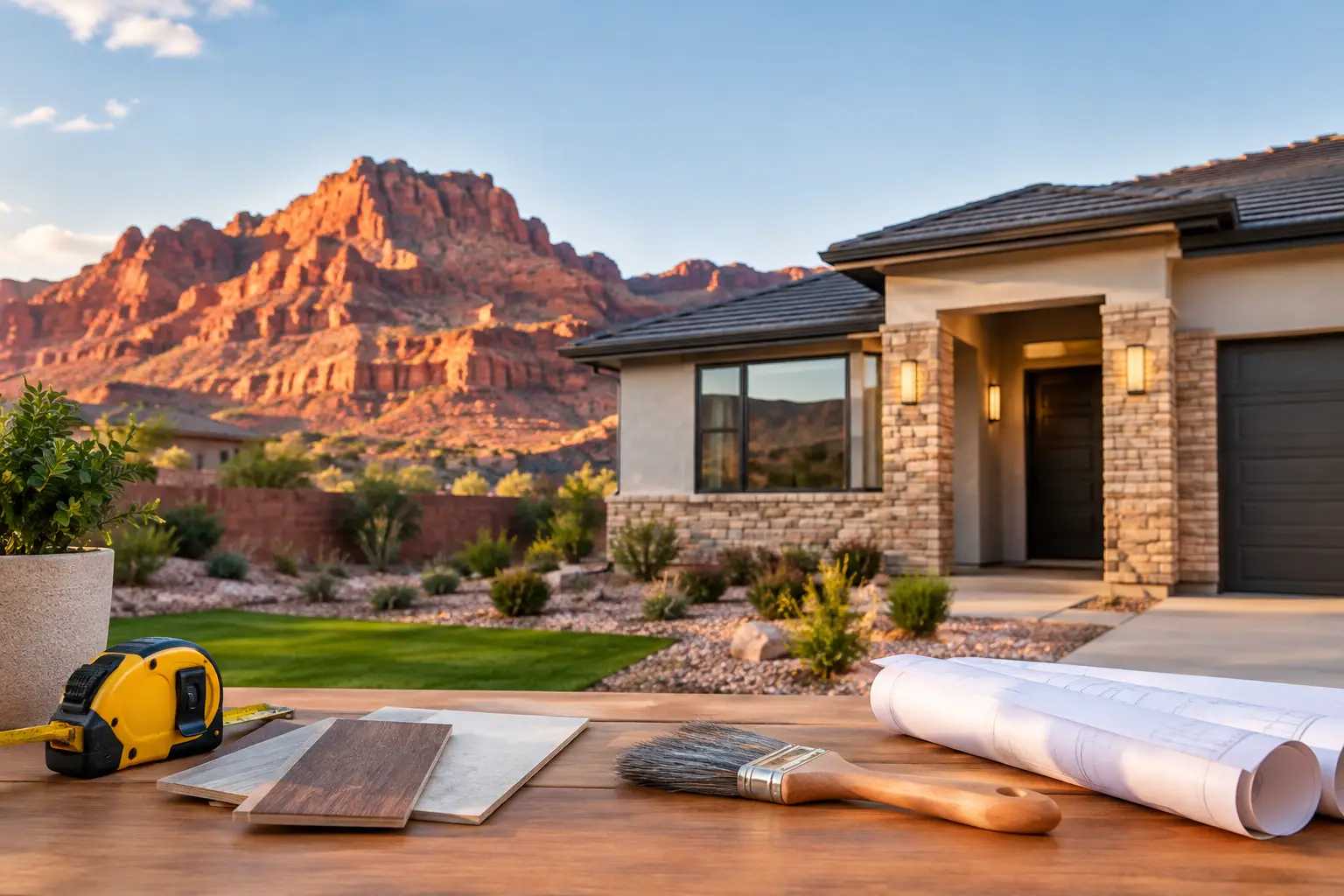
A beautiful new kitchen does not automatically create a higher appraisal. Neither does the most expensive flooring in the showroom. The best upgrades for appraisal value are the ones that make your home competitive with nearby properties, resolve meaningful condition concerns, and align with what buyers in your price range expect.
That distinction matters when you are preparing to sell. An appraisal is not a reward for everything you have spent on your home. It is an opinion of market value, supported largely by recent comparable sales. Smart improvements can help protect your value, improve a buyer’s first impression, and make the appraiser’s job easier. But the right plan depends on your home’s current condition, neighborhood, price point, and local competition.
What an Appraiser Is Really Looking For
An appraiser considers the property’s location, square footage, lot, age, condition, features, and recent comparable sales. They also account for upgrades when those upgrades make your home more comparable to higher-value homes that have sold nearby.
This is why a $40,000 remodel does not always create a $40,000 increase in value. If nearby sales are dated and modestly finished, a highly customized renovation may make your home more appealing to buyers without changing the comparable-sales data enough to support a full return.
Condition still matters a great deal. A home with obvious deferred maintenance can be compared less favorably with similar homes in clean, well-maintained condition. Buyers may also respond with lower offers or repair requests, particularly when they are concerned that larger problems are hiding behind cosmetic issues.
In Southern Utah, market expectations can vary dramatically from one neighborhood to the next. A feature that is expected in a newer St. George community may not carry the same weight in an older Hurricane neighborhood. That is why improvement decisions should start with a careful look at the homes buyers will compare against yours.
Best Upgrades for Appraisal Value Start With Condition
Before selecting finishes, address the items that signal whether a home has been cared for. These projects are not always glamorous, but they often support both buyer confidence and appraised value more effectively than trend-driven cosmetic work.
Repair major systems and visible defects
A sound roof, functioning HVAC system, safe electrical components, working plumbing, and a well-maintained water heater are foundational. If a system is near the end of its useful life, replacement may not create a dramatic premium above neighborhood value, but it can prevent a value deduction and remove a major concern during inspections and negotiations.
Take care of water damage, active leaks, cracked windows, damaged fascia, peeling exterior paint, broken gates, and trip hazards as well. These issues can make a property appear neglected, even when the rest of the home has been updated.
Save invoices, permits, warranties, and service records. An appraiser may not assign a dollar-for-dollar adjustment for a new HVAC system, but documentation helps establish the home’s condition and gives buyers confidence in what they are purchasing.
Refresh kitchens and bathrooms thoughtfully
Kitchens and bathrooms remain important because they are highly visible and expensive for buyers to change. The goal is not necessarily a full luxury remodel. A clean, coordinated update often delivers a better result than overspending on materials that exceed the neighborhood standard.
Consider dated cabinets, worn counters, failing appliances, stained grout, damaged vanities, poor lighting, and old fixtures. In many homes, professionally painted cabinetry, durable counters, updated hardware, modern lighting, a new faucet, and fresh neutral paint can create a dramatic improvement without rebuilding the room from scratch.
For a higher-end home where competing listings feature fully renovated kitchens, a more comprehensive update may be justified. Even then, choose a design with broad appeal. Highly personal colors, specialty appliances, and unusual layouts can limit buyer interest and may not be fully recognized in an appraisal.
Improve energy efficiency where buyers can see the benefit
Southern Utah buyers pay attention to comfort and operating costs, especially during the hottest months. Energy-efficient windows, adequate insulation, a newer HVAC system, ceiling fans, quality window coverings, and properly sealed doors can make a home feel more comfortable from the first showing.
The appraisal impact depends on comparable sales and the quality of the improvement. Still, these upgrades can strengthen marketability, reduce objections, and distinguish your home from similar properties with higher anticipated maintenance or utility costs. If you install solar, understand the ownership structure before you sell. Owned systems, financed systems, and leased systems can affect value and buyer financing differently.
Elevate curb appeal without overbuilding the landscape
A buyer often forms an opinion before stepping through the front door. Fresh exterior paint where needed, a clean entry, updated house numbers, a functioning front door, tidy gravel or planting beds, healthy trees, and simple outdoor lighting can make a meaningful difference.
Water-wise landscaping is especially practical in our desert climate. It can look polished while reducing maintenance and water use. Focus on a cohesive, cared-for appearance rather than elaborate features that require extensive upkeep.
Improvements That Need a Closer Look
Some upgrades can be excellent lifestyle investments but less predictable appraisal investments. That does not mean you should avoid them. It means you should make the decision with realistic expectations.
A pool is a good example. In some Southern Utah neighborhoods, a pool is a desirable feature that helps a home compete. In others, it may appeal to a narrower group of buyers, particularly if the yard becomes difficult to maintain or loses usable space. Comparable sales determine whether the appraiser can support a meaningful adjustment.
Luxury outdoor kitchens, elaborate water features, custom theater rooms, and highly specialized hobby spaces follow a similar pattern. They can create an unforgettable showing experience, but their return depends on whether buyers in that neighborhood consistently pay more for them.
Adding legal, permitted living space can be valuable, especially when it creates a functional bedroom, bathroom, or flexible guest area. However, do not assume every conversion counts as finished square footage. Garage conversions, enclosed patios, and accessory spaces need to meet local requirements and be recognized appropriately in the appraisal.
Choose Upgrades Based on Your Market Position
The most effective renovation plan begins with a simple question: What would a buyer expect at this price point?
If your home is one of the more modest properties in the area, focus first on cleanliness, repairs, paint, flooring, and curb appeal. If it is positioned among updated homes, kitchen and bath improvements may be necessary to avoid falling behind. If you own a luxury property, details such as designer lighting, premium surfaces, outdoor living, and consistent craftsmanship may matter more because buyers will compare your home to other elevated offerings.
Avoid improving far beyond the neighborhood ceiling. A fully remodeled home can still be limited by location, lot size, school boundaries, traffic, and the sales prices of nearby properties. The objective is to position your home as a compelling choice, not to create the most expensive house on the block without market support.
Help the Appraiser See the Full Story
Once you have completed improvements, present them clearly. Create a concise list that includes the year of each major upgrade, the contractor who performed the work, permit information when applicable, and approximate cost. Include items that may not be obvious during a walkthrough, such as insulation, plumbing updates, electrical work, drainage corrections, or a replaced HVAC system.
Your listing strategy matters, too. Accurate property details, professional presentation, and a well-supported price give the appraiser useful market context. An appraiser must remain independent, but clear facts and complete documentation help ensure that meaningful features are not overlooked.
Know When a Smaller Refresh Is the Better Move
If you plan to sell soon, a major remodel may not be the best use of your time or budget. Construction delays, cost overruns, and changing design choices can add stress without guaranteeing a higher sales price. Sometimes fresh paint, repair work, decluttering, deep cleaning, updated light fixtures, and thoughtful staging create the stronger return.
A personalized pre-listing strategy can help separate must-do repairs from upgrades that are unlikely to pay back. The right advice is never one-size-fits-all because every home, neighborhood, and seller timeline is different.
Before you invest, look at your property through a buyer’s eyes and through the lens of recent local sales. The goal is to create a home that feels cared for, current, and appropriately priced – giving buyers confidence to move forward and giving the appraisal every reason to support the value you have worked hard to build.