How to Buy a Home in Hurricane With Confidence
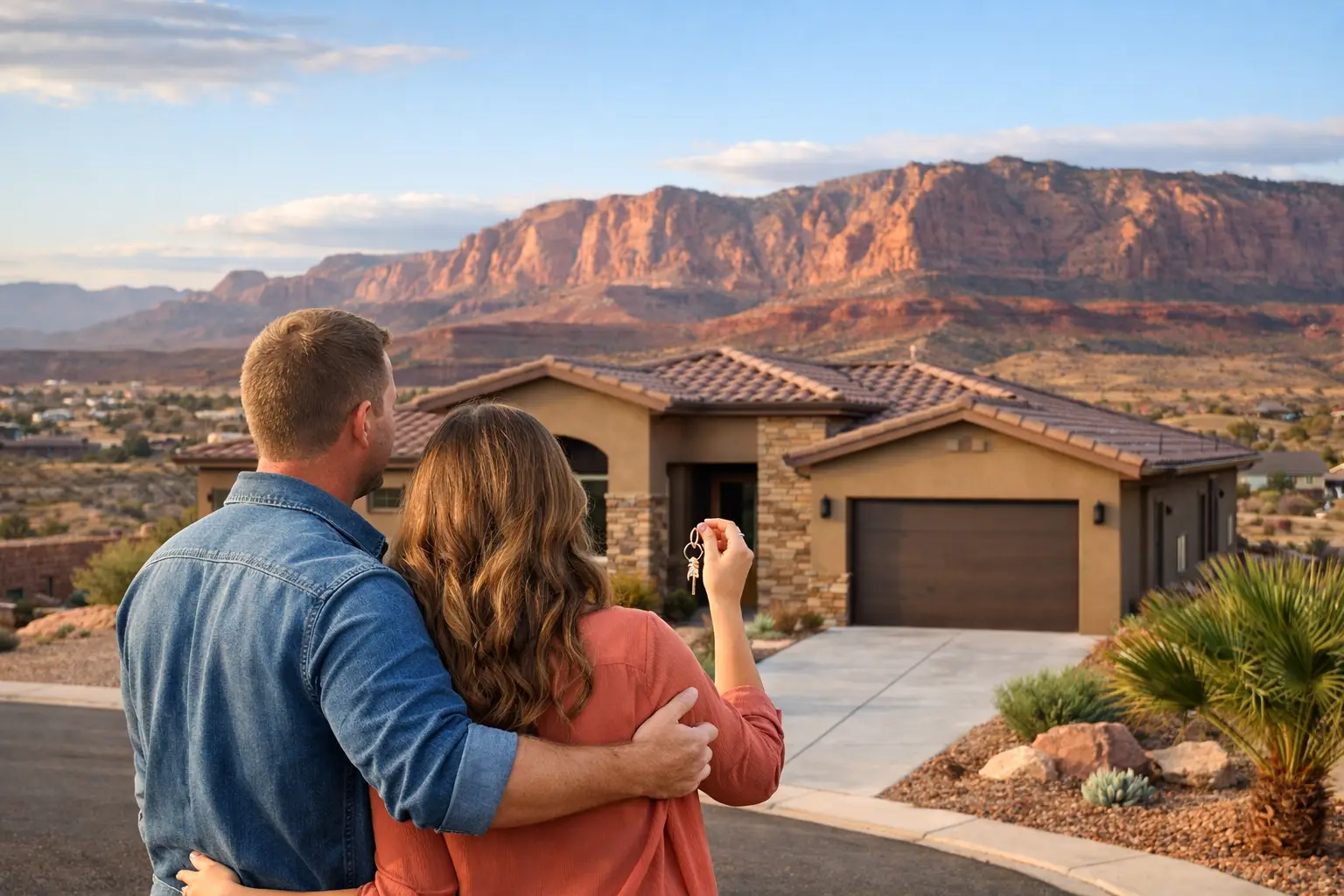
A home in Hurricane can put red-rock trails, warm evenings, and the wider Southern Utah lifestyle within easy reach. It can also be a meaningful financial decision with details that deserve more than a quick online search. Knowing how to buy a home in Hurricane means pairing your wish list with a clear budget, neighborhood insight, and trusted guidance through each decision.
Whether you are purchasing your first home, relocating with family, or looking for a property that supports a long-term investment plan, the goal is not simply to win a house. It is to buy a home that fits the way you want to live and protects your financial future.
Begin With a Budget That Reflects Real Life
Before touring homes, take a close look at what a comfortable monthly payment means for your household. A lender can help establish your purchasing power, but your personal comfort range may be different from the highest amount you are approved to borrow. Consider your current expenses, savings goals, hobbies, travel, childcare, and any upcoming changes that could affect your budget.
A strong pre-approval is one of the first practical steps in buying a home. It gives you a more accurate price range and shows sellers that you are prepared to move forward. In a competitive situation, that preparation can make an offer more credible.
Your down payment is only part of the picture. Plan for earnest money, inspection costs, appraisal fees, lender charges, title and closing expenses, homeowners insurance, and moving costs. If you are considering a home with an HOA, review the monthly or quarterly dues and understand what they cover. New construction may bring different considerations, including lot premiums, design upgrades, and timing around builder deposits.
Choose the Hurricane Lifestyle That Fits You
Hurricane offers more variety than many buyers expect. Some people are drawn to established neighborhoods with mature landscaping and a settled feel. Others prefer newer communities, where modern floor plans, energy-efficient features, and low-maintenance living may be more available. There are also properties with room for RV parking, workshops, outdoor gear, or the extra space that makes Southern Utah living especially appealing.
The right location depends on your daily rhythm. Consider commute times to St. George, Washington, or nearby employment centers; proximity to schools, parks, shopping, and medical care; and how often you expect to use outdoor recreation areas. If weekend trips to Zion National Park, Sand Hollow, or local trail systems are part of your vision, access may matter as much as square footage.
Do not rely on a neighborhood name alone. Visit at different times of day when possible. Notice traffic patterns, sun exposure, nearby development, road noise, and the overall condition of surrounding homes. Southern Utah’s light and landscape are part of the appeal, but afternoon heat, wind, and the orientation of a backyard can affect how a property feels year-round.
Look Beyond the Listing Photos
Photos can highlight a beautiful kitchen or an impressive view, but they cannot show you how the home functions. During a showing, look at storage, room flow, ceiling height, natural light, window placement, and the condition of major systems. Ask about the age of the roof, HVAC equipment, water heater, and appliances when that information is available.
For properties near washes or in areas with visible drainage features, take the time to understand the flood-zone designation and insurance implications. This does not automatically make a home the wrong choice. It simply means you should have clear information before you commit. The same principle applies to HOA rules, utility arrangements, easements, and future development nearby.
Build the Right Team Before You Fall in Love With a Home
The buying process is easier when the people around you are responsive and experienced. Your real estate agent, lender, inspector, and title team each play a different role, but their work should support one goal: helping you make an informed decision without unnecessary surprises.
A local Realtor can do more than open doors. They can help you compare recent sales, identify whether a list price appears well-positioned, explain neighborhood distinctions, and structure an offer around your priorities. That personal guidance matters when you are weighing a resale home against a new build, deciding how much flexibility you have on timing, or trying to understand which repairs are reasonable to request.
For relocation buyers, local support is especially valuable. A property that looks ideal from another state may have trade-offs that become clear only after a closer look at access, surrounding land, community rules, or seasonal conditions. Honest advice is more useful than pressure, particularly when the decision involves a major move.
Make an Offer That Is Competitive and Thoughtful
Once you find a home that feels right, the conversation shifts from possibility to strategy. The purchase price matters, but it is not the only term a seller will evaluate. Financing type, earnest money, closing date, inspection timelines, appraisal terms, and seller concessions can all influence how an offer is received.
A strong offer should be based on the home’s value, your financial position, and the current competition for that particular property. In some cases, a clean offer with flexible timing may be more appealing than a slightly higher offer filled with uncertainty. In other cases, protecting contingencies is the wiser choice, especially if the home has condition concerns or the price is near the upper edge of your budget.
There is no universal “best” offer. Waiving important protections simply to compete can create unnecessary risk. A thoughtful agent will explain the options, the trade-offs, and the likely impact of each term so you can choose a strategy that feels confident rather than rushed.
Use Inspections and Due Diligence to Protect Your Decision
Getting under contract is exciting, but it is not the finish line. The due diligence period is your opportunity to understand the home beyond its appearance. A professional inspection can identify issues related to the roof, structure, electrical systems, plumbing, HVAC, drainage, and safety concerns. Depending on the property, additional evaluations may be appropriate.
No home is perfect, including a newer one. The key is separating normal maintenance items from concerns that could materially affect the home’s safety, function, or value. Your inspection findings may lead to a request for repairs, a credit toward closing costs, further specialist review, or a decision to move forward as-is. It depends on the condition of the property, the strength of the market, and your comfort level with the work involved.
This is also the time to review seller disclosures, HOA documents if applicable, title information, and insurance quotes. If you are buying an investment property, run your numbers conservatively. Estimate rents carefully, allow for vacancies and maintenance, and understand any rental restrictions before assuming a particular return.
Move From Appraisal to Closing With Fewer Surprises
After inspections, your lender continues processing the loan and the appraisal helps confirm value for the financing. An appraisal that supports the contract price keeps the transaction moving. If it comes in lower, there may be options to renegotiate, challenge the appraisal with relevant information, bring in additional funds, or adjust the deal. The best path depends on the contract and the circumstances.
As closing approaches, avoid making major financial changes. Do not open new credit accounts, finance a vehicle, move large undocumented sums of money, or change jobs without speaking with your lender first. Small actions can affect underwriting at the last minute.
Before signing, review your closing disclosure, confirm the funds you need to bring to closing, and make arrangements for utilities and insurance. A final walkthrough is your opportunity to verify that the home is in the expected condition and that agreed-upon items are complete. It is a simple but meaningful step before receiving the keys.
A Home Purchase Should Feel Personal, Not Transactional
Buying in Hurricane is about more than choosing a floor plan or checking boxes on a contract. It is about finding a place that supports the life you are building, whether that means a quiet backyard, room for visiting family, quick access to recreation, or a sound addition to your investment portfolio.
With preparation, clear communication, and an advocate who understands the local market, the process can feel organized and exciting rather than overwhelming. Amy Hansen believes the best home-buying decisions begin with listening carefully to what matters most to you, then helping you move forward with clarity at every turn.