
10 Staging Tips to Sell Your Home Faster
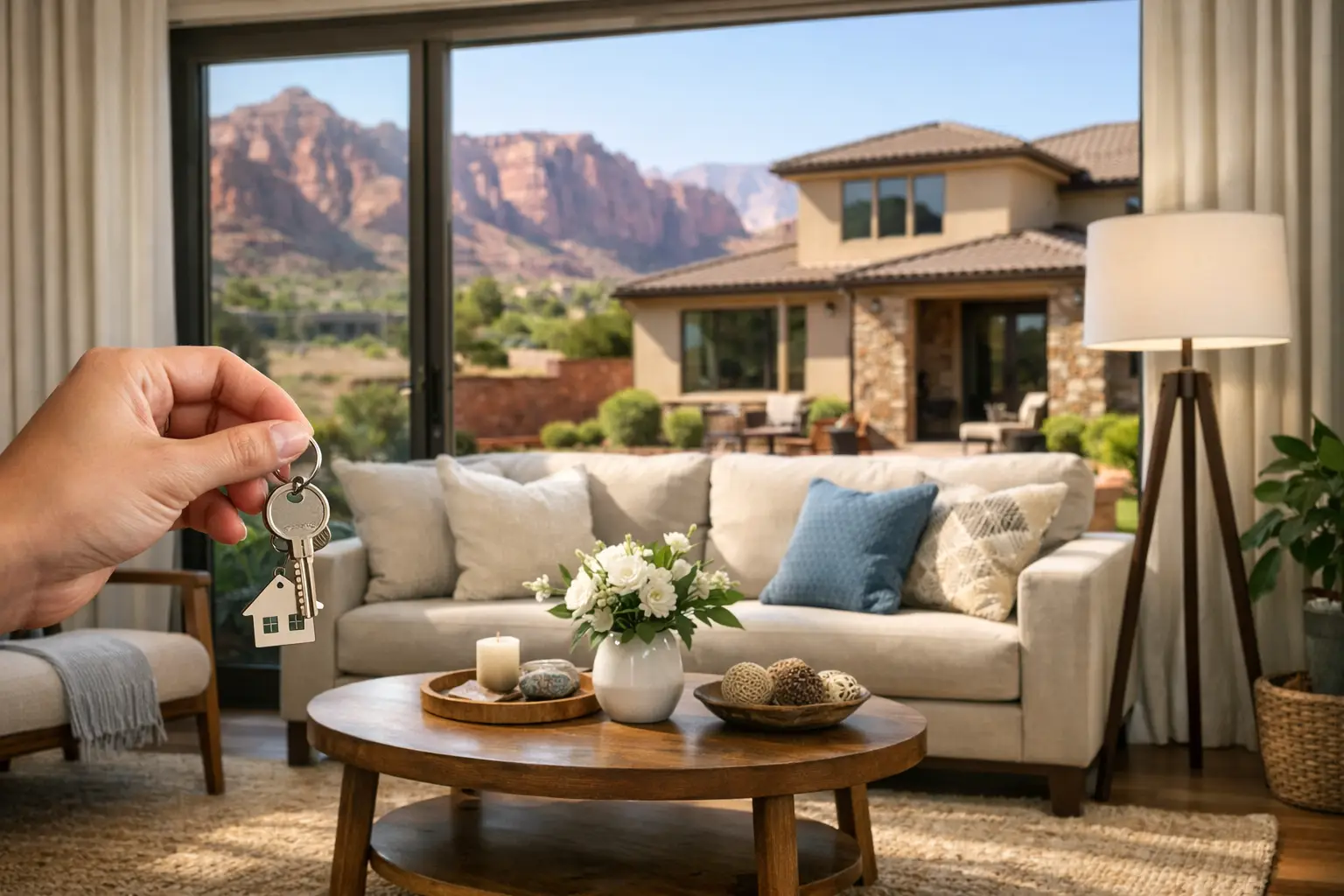
Buyers form an opinion before they reach the kitchen. They notice the front walk, the light in the entry, the view from the living room, and whether the home feels easy to picture as their own. The best staging tips to sell your home are not about making it look like someone else lives there. They are about helping buyers see the space, the lifestyle, and the value clearly from the moment they arrive.
In Southern Utah, that first impression can be especially powerful. A bright great room, a comfortable patio, a clean view of the red cliffs, or a well-kept yard can reinforce why a buyer chose this area in the first place. Thoughtful staging gives those strengths the attention they deserve.
Start With the Buyer You Want to Attract
Staging should support your home’s positioning, not follow a one-size-fits-all checklist. A newer Hurricane home with room for outdoor toys may appeal to an active family or second-home buyer. A polished property near golf, dining, or trail access may call for a more refined, low-maintenance presentation. A first-time buyer may respond most to a home that feels organized, cared for, and move-in ready.
Before moving furniture or buying anything new, identify the home’s strongest selling points. Is it the open layout, oversized garage, upgraded kitchen, private backyard, main-level primary suite, or location? Those are the features your staging should frame and protect from distraction.
A useful rule is simple: every room should have a clear purpose. If a spare room is currently a storage area, buyers may see it as a limitation. If it becomes a clean office, guest room, fitness space, or flexible hobby room, they can imagine what it adds to their life.
Staging Tips to Sell Your Home Before the Photos
Listing photos are often a buyer’s first showing. If the home does not feel inviting online, many buyers will never schedule an in-person visit. Preparing for photography is therefore just as important as preparing for an open house.
Edit before you decorate
The highest-impact staging step is usually editing, not decorating. Remove excess furniture that makes pathways tight, clear countertops, and pack away personal collections. Buyers need enough visual space to notice square footage, storage, windows, and finishes.
This does not mean your home has to feel empty. A few intentional pieces create warmth: a simple centerpiece on the dining table, fresh towels in the bathroom, or a throw on the corner of the sofa. The goal is calm, not sparse.
Personal photos, children’s artwork, refrigerator magnets, and highly specific decor should be packed early. This protects privacy while helping buyers shift from seeing your home to imagining theirs.
Give each surface room to breathe
Kitchen and bathroom counters deserve special attention because buyers look closely at them. Keep only a few attractive, useful items visible. In the kitchen, that might mean a small bowl of fruit, a coffee tray, or one attractive cutting board. In bathrooms, fresh white or neutral towels and a simple soap dispenser are often enough.
Avoid staging with too many artificial touches. An overflowing bowl of decorative lemons or a bed piled high with pillows can look forced in photos. Clean, functional, and welcoming will always feel more credible than overly styled.
Let natural light do its job
Southern Utah homes often benefit from abundant sunlight, but strong light can also create harsh shadows. Open blinds and curtains where the view or natural light is a feature, then make sure windows are spotless. Replace burned-out bulbs and choose consistent light temperatures throughout the home so rooms do not look yellow in one photo and blue in another.
For showings, turn on lamps in darker corners even during the day. Light helps rooms feel more open and cared for. If an afternoon sun angle makes a room uncomfortably bright or hot, filtered window coverings can create a softer, more comfortable feel.
Create a First Impression Outside
Curb appeal is not a bonus. It sets the emotional tone for the entire visit. Buyers often sit in the driveway for a moment before getting out, and a neglected exterior can make them wonder what else has been deferred.
Focus on the details that signal care: sweep the walkway, remove weeds, rinse off exterior dust, touch up peeling paint, and make sure the house numbers are easy to read. A clean front door and a simple seasonal planter can make an entry feel welcoming without asking buyers to share your personal taste.
In desert landscapes, low-water landscaping can still look intentional. Trim back overgrown plants, refresh rock or mulch where needed, and remove dead foliage. If the home has a view, make the route to that view feel clear and inviting rather than blocked by patio clutter or oversized furniture.
Stage the outdoor lifestyle
Outdoor living is a meaningful part of the Southern Utah lifestyle, so do not treat patios, decks, and backyards as afterthoughts. Help buyers understand how they could use the space. Arrange seating to suggest conversation, clean the grill area, and keep outdoor cushions fresh.
You do not need a resort-style yard to create appeal. A small table for morning coffee, two chairs facing a view, or a tidy fire-pit area can make an ordinary patio feel like an extension of the home. If the yard is compact, avoid crowding it with too much furniture. Showing usable open space is often more valuable.
Make Bedrooms and Bathrooms Feel Restful
Bedrooms should feel peaceful, spacious, and easy to maintain. Make the beds neatly with neutral bedding, clear nightstands, and remove laundry, pet beds, and exercise equipment when possible. In a smaller bedroom, consider removing a bulky chair or extra dresser so buyers can better understand the room’s proportions.
The primary bedroom should feel like a retreat, but it should still feel believable. A coordinated bed, soft lighting, and a clear path around the furniture go a long way. If the room has a view, orient the space so buyers notice it.
Bathrooms need to feel clean above all else. Deep-clean grout, glass, mirrors, fixtures, and drains. Hide everyday toiletries, close toilet lids, and replace worn bath mats. A bathroom does not need to be newly remodeled to show well, but it cannot feel neglected.
Address Odors, Noise, and Temperature Honestly
Some of the most important staging work cannot be captured in a photo. Pet odors, cooking smells, smoke, and mustiness can immediately change a buyer’s perception of a home. Rather than covering them with heavy fragrance, eliminate the source through cleaning, laundering fabrics, servicing drains, and ventilating the home.
Temperature matters, too. A home that is too warm in summer or chilly in winter can make a showing feel rushed. Set a comfortable temperature before buyers arrive. If a noisy street, nearby construction project, or barking dog affects the property, discuss a smart showing strategy with your agent. Buyers may still move forward, but they should have the space to notice the home’s value without an avoidable distraction.
Do Not Overspend on Staging
Staging should be strategic. Not every seller needs rented furniture, a full repaint, or a major renovation before listing. In a well-maintained, appropriately furnished home, decluttering, cleaning, minor repairs, and professional photography may deliver the best return.
A vacant luxury home, a property with unusual room layouts, or a house competing in a higher price range may benefit from professional staging. By contrast, if a home needs significant updates, trying to disguise them with decor can create disappointment during showings. In that situation, clear pricing, honest presentation, and targeted improvements may be a better use of your budget.
The right approach depends on your home, your timeline, local competition, and the buyer expectations at your price point. A personalized walkthrough can help separate improvements that support your sale from expenses that are unlikely to pay you back.
Keep It Show-Ready Without Losing Your Routine
Living in a staged home can be challenging, especially with children, pets, work schedules, or a move already underway. Make it manageable by creating a quick showing routine. Keep a basket for daily items that can be tucked into a closet or car, set aside a place for mail and chargers, and make beds each morning if possible.
Before leaving for a showing, do a final five-minute pass: open blinds, turn on lights, wipe the kitchen sink, take out pet items, and make sure the home smells clean. Buyers should not have to work to see its potential.
Thoughtful staging is one more way to show buyers that your home has been cared for. With the right preparation and a local strategy behind it, you can create a stronger first impression and give serious buyers a compelling reason to stay, look closer, and picture their next chapter there.